Monkey Funny Font for Web Design
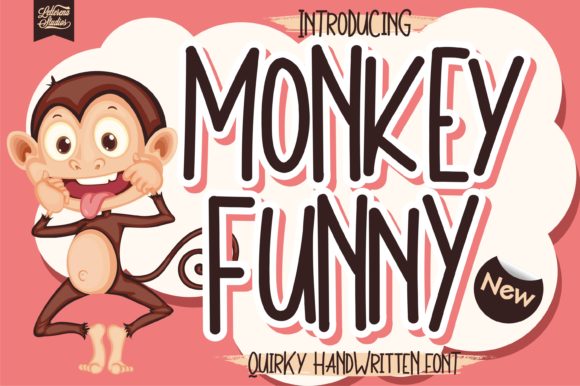
Monkey Funny is a handwritten font that brings warmth and character to digital projects. Its thin and tall design offers a unique blend of formality and playfulness, making it ideal for a range of web design applications. As a web designer, I’ve found that the right typeface can significantly impact readability, brand tone, and user engagement. Monkey Funny fits well into this category with its natural feel and clean structure.
Visual Characteristics and Style
The Monkey Funny font has a distinct personality. It’s crafted to look like real handwriting, which gives it an organic and approachable feel. The tall and thin letterforms make it stand out in headers, banners, and other prominent areas of a website. This makes it particularly useful for creating visual hierarchy without overwhelming the reader.
Its simplicity ensures that it remains legible even at smaller sizes, which is crucial for mobile responsiveness. The font works especially well on light backgrounds, but it also holds up reasonably well on dark ones when contrast is maintained. For best results, avoid using it on busy or patterned backgrounds where it might lose clarity.
Applications in Web Design
Monkey Funny can be used in various parts of a website. For instance, it’s excellent for hero section headlines, where you want to grab attention immediately. Its playful nature can be perfect for creative portfolios, boutique online stores, or coaching websites that aim to convey a friendly and approachable brand image.
In landing pages, Monkey Funny can help reinforce the tone of your message. Whether you're promoting a product, course, or service, the font adds a human touch that can increase trust and connection with users. It's also great for call-to-action buttons or short phrases where you want to create a sense of urgency or invitation.
For blog headers or digital ads, Monkey Funny brings a fresh and modern aesthetic. It can serve as a decorative accent in content sections, adding visual interest without distracting from the main message. When paired with a simple sans serif font for body copy, it creates a balanced and professional look.
Readability and Layout Considerations
While Monkey Funny excels in display text, it’s not recommended for long paragraphs due to its stylized forms. For body text, stick to a clean, readable sans serif or serif font. However, it can be used effectively for subheadings, captions, or pull quotes to break up content and enhance visual rhythm.
On mobile screens, ensure that the font size is large enough to maintain legibility. Test it across different screen sizes and resolutions to confirm that it renders clearly. Also, consider using font-weight variations if available to emphasize key elements within the design.
Font Pairing and Brand Identity
Monkey Funny pairs well with more structured fonts to balance its informal style. A common pairing is a modern sans serif font like Montserrat or Lato for body text, which provides contrast while maintaining readability. For editorial designs or digital magazines, a serif font such as Georgia or Merriweather can complement Monkey Funny’s handcrafted appearance.
When building a brand identity, consistency is key. Monkey Funny can be used consistently across all branded materials—website headers, social media graphics, email newsletters, and even packaging design. This helps reinforce brand recognition and ensures a cohesive look across platforms.
Licensing and Practical Use
Before using Monkey Funny on client projects, online stores, or digital templates, ensure you have the appropriate commercial license. Many premium fonts require specific permissions for web use, so always check the licensing terms provided by Script Amp. This will prevent any legal issues down the line and ensure that your design assets are fully compliant.
Check if the font includes multiple styles, weights, or alternates that could enhance your design options. Some fonts offer extended language support, which is important if your website targets a global audience. Always verify that the font file format (such as WOFF or TTF) is compatible with your web development stack.
Whether you're designing a new landing page, updating an online store, or creating a digital brand kit, Monkey Funny can add a unique touch to your typography. Its versatility and charm make it a valuable addition to any designer’s toolkit, helping to create engaging and memorable user experiences.